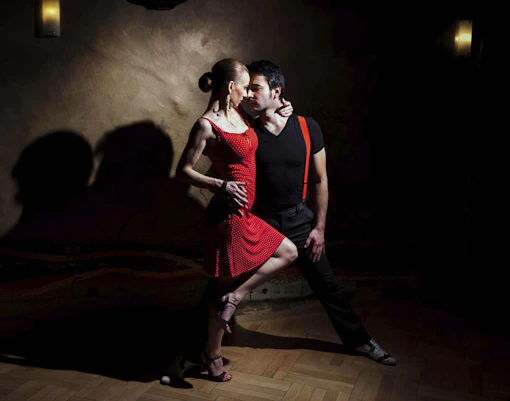
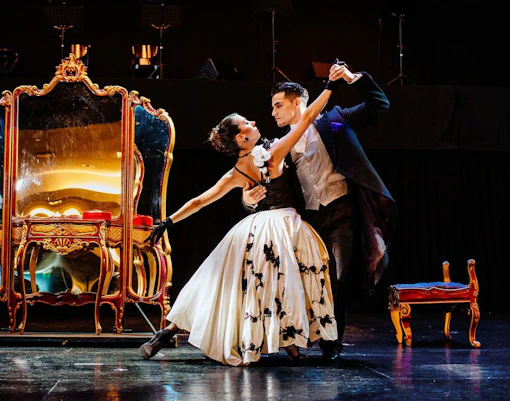
To understand tango fashion, we must first explore the origins of the dance itself. Born in the late 19th century in the bustling port neighborhoods of Buenos Aires, tango was the product of a cultural melting pot, with African rhythms, European melodies, and the raw, improvised energy of working-class Argentina. In the dimly lit bars and crowded dance halls of La Boca, music and movement intertwined, and clothing became a vital part of the performance’s allure.

A-Z guide to the history of tango fashion
Nothing captures the soul of tango better than the timeless saying: it takes two to tango. More than just a dance, tango is a living art form, a union of substance and style. The fluid, intimate movements are its heartbeat, while the dramatic clothing worn by dancers is its visual poetry.
What tangeros (male dancers) and tangeras (female dancers) wear is as much a part of the performance as the dance itself. Tango fashion is not simply decoration; it’s a statement of passion, energy, and identity, even before the first step on the dance floor. Just as tango’s music and steps evolved from the streets of Buenos Aires to grand ballrooms around the world, so too has its style, but always with the same heart.
History and origins of tango fashion
Roots in the Port districts of Buenos Aires
Early rebellion and risqué style
In its earliest years, tango was considered scandalous by Argentina’s upper classes. The traditional tango dress worn by women revealed more skin than polite society approved of, like shorter skirts that flashed a glimpse of leg, bold colors that demanded attention, and fabrics that clung provocatively to the body’s every motion. These daring style choices were not just for show; they were a declaration of individuality and sensuality.
Tango’s European embrace
By the early 1900s, both the dance and tango fashion had swept across Europe. Paris, in particular, welcomed the tango dress with open arms, transforming it into the elegant “Tango Visite”, a shorter, looser gown with a transparent bodice, often crafted in orange or yellow satin. This was a revolution in women’s fashion: corsets were loosened, skirts became freer, and for the first time, sensuality was openly celebrated on the dance floor.
Changes in tango fashion over time

1/3
Late 19th to early 20th century – Breaking away from restriction
In the early days, women’s tango fashion still reflected Victorian influence, in long, heavy gowns with minimal flexibility. But as tango’s popularity grew, dancers began shortening hemlines and loosening fits to allow the sweeping movements and close embraces that defined the style. This marked the first break from traditional eveningwear into a freer, performance-driven aesthetic.
1920s to 1950s – The rise of elegance and allure
By the 1920s, the tango dance dress had become a statement of sensuality. Skirts were cut with daring slits, necklines dipped lower, and asymmetrical hems appeared to showcase a dancer’s legwork. Satin remained the fabric of choice, shimmering under dance hall lights, while bold colors like orange and yellow dominated, symbolizing energy and warmth.
1960s to today – Modern fabrics, timeless passion
As performance demands increased, satin gave way to modern materials like lycra and stretch fabrics, offering unmatched comfort and movement. While the spirit of the traditional tango dress remains, contemporary designs often feature open backs, high slits, and figure-hugging silhouettes. Color trends have shifted, too; red now reigns as the emblem of passion on the tango floor, often paired with black for dramatic contrast.
Tango fashion for men and women
Tango fashion blends elegance with performance, ensuring every outfit moves as beautifully as the dance itself.

Men's style
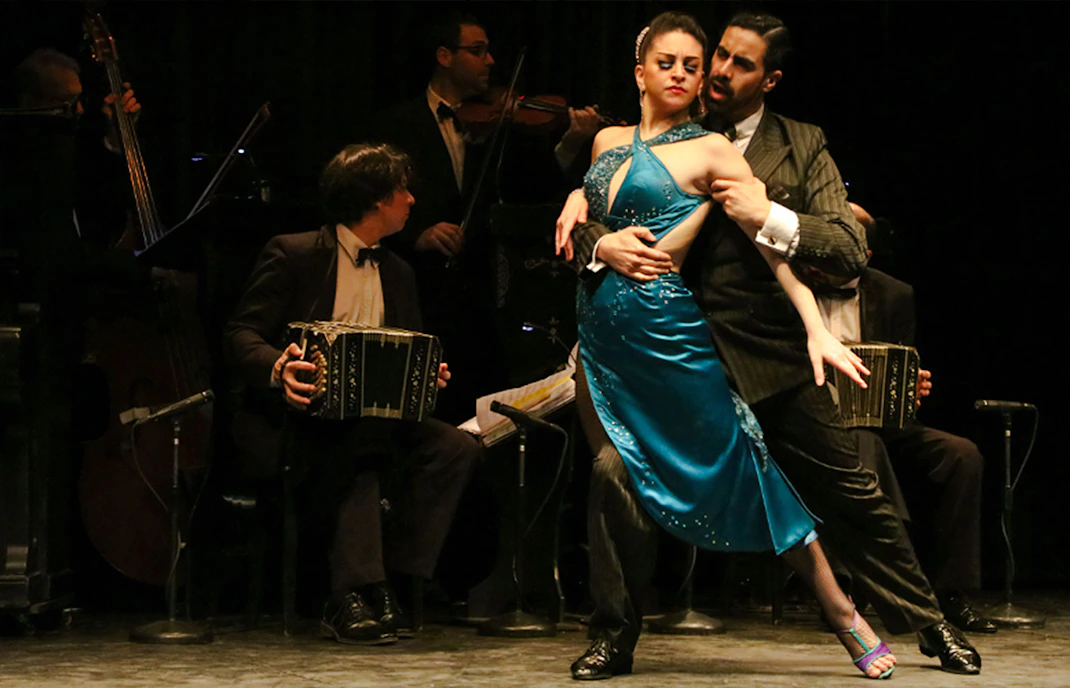
Men’s tango costume choices have always balanced sharp tailoring with comfort. Wide-legged trousers that hang straight allow for fluid footwork, while lightweight jackets prevent overheating and restriction during close embraces. Accessories like hats, vests, and suspenders add a touch of vintage flair, often in classic black, white, or deep jewel tones.
Equally important are the shoes, the foundation of any tango look. Men’s tango shoes typically have rounded toes, flexible leather uppers, and suede or leather soles for smooth pivots. Low heels provide stability without compromising style, making it easier to glide across the dance floor.
Women's style
Tango outfits for females range from sleek wrap dresses to dramatic full skirts, with the Argentine tango dress often featuring high slits, open backs, or halter necklines for both mobility and allure. Fabrics like silk, satin, and stretch blends move fluidly with each step, while bold reds, blacks, and jewel tones dominate the palette. Accessories such as flowers, feathers, or statement jewellery can enhance the look, though cumbersome pieces should be avoided during performance.
For women, shoes are as much a part of the look as the dress itself. Strappy, well-fitted shoes with leather or suede soles allow for easy spins and precise footwork. Stiletto heels add finesse, but comfort is key to maintaining balance and preventing fatigue during long dances.
Fashion etiquette for tango
- Practicas & lessons – Keep it comfortable, yet neat: Wear breathable, flexible fabrics like cotton or stretch blends for ease of movement. Men should always opt for long pants, while women can wear skirts, leggings, or casual styles. Footwear can be lower heels or practice shoes, but avoid anything that might damage the dance floor.
- Milongas – Your time to shine: Social dance nights call for your finest tango costume. Women can choose an elegant Argentine tango dress with polished accessories, while men should wear tailored trousers, a crisp shirt, and an optional jacket or vest. Semi-formal attire works, but avoid overly casual clothing that downplays the occasion.
- Coordinate with your partner: While matching outfits aren’t required, aim for color or style harmony. Coordinated tango outfits for females and males create a visually balanced presence, especially during performances or photos.
- Mind your fragrance: Strong perfumes or colognes can overwhelm in close embrace. Opt for subtle scents or skip fragrance altogether to keep the focus on the dance.
- Think about every angle: Your back is often the audience’s main view. Ensure your outfit looks flattering from behind and maintains elegance during spins, dips, and long embraces.
- Choose safe accessories: Keep jewellery and embellishments secure. Avoid heavy, sharp, or dangling pieces that could catch on clothing, scratch skin, or interfere with movement.
- Prioritize movement freedom: Pick garments that won’t restrict spins, dips, or kicks. Fabrics should flow easily and adapt to the dynamic steps of tango without riding up or twisting awkwardly.
- Respect tango’s elegance: Even with modern style updates, tango’s fashion is rooted in refinement. Maintain a polished, put-together look that reflects the dance’s cultural sophistication.
Tango fashion’s influence on cinema
Setting the stage for cinematic drama
- Visual shorthand for passion: The flowing lines of the tango dress, shimmering fabrics, and dramatic slits instantly signal sensuality and elegance on screen.
- Movement as storytelling: Costume design in tango scenes uses fabric flow, backless cuts, and leg reveals to mirror the intimacy and intensity of the dance.
- Lighting and texture: Sequins, satin, and lace catch the light during spins and dips, heightening the drama for the camera.
Iconic films that defined the look
- Scent of a Woman (1992): A sleek black Argentine tango dress in a minimalist cut became a cinematic symbol of sophistication and restraint.
- Moulin Rouge! (2001): The “El Tango de Roxanne” sequence paired tango costumes in crimson and black with corsetry, feathers, and layered skirts.
- Chicago (2002): “Cell Block Tango” brought edgier styling with figure-hugging gowns, fishnet textures, and sharply tailored men’s attire.
How films kept the style alive
- Trendsetting beyond the screen: Film-inspired tango fashion details like high slits and halter necklines entered red carpet and eveningwear trends.
- Accessory influence: Feathered headpieces, sparkling chokers, and bold earrings from movie costumes became popular in social dancewear.
- Designer inspiration: Costume successes in cinema prompted fashion houses to release tango-inspired collections season after season.
The lasting visual signature
- Instant character definition: A tailored tango suit or sultry tango dance dress tells the audience who a character is before dialogue begins.
- Cultural shorthand: Filmmakers use tango outfits for females and males to evoke themes of seduction, rivalry, and romantic tension.
- Timeless appeal: Even decades later, tango’s cinematic style remains a go-to visual cue for elegance fused with heat.
Frequently asked questions about tango fashion
The traditional tango dress is form-fitting with a flowing skirt, often featuring slits or asymmetrical hems to allow for movement, and is usually made from light, fluid fabrics.
Opt for semi-formal attire, women in an elegant tango dress, men in tailored trousers and a crisp shirt or jacket.
Yes, but bold colors like red, black, and jewel tones dominate tango fashion for their dramatic stage presence.
Yes. A performance tango costume is usually more dramatic and embellished, while social tango outfitsare elegant but practical for hours of dancing.
Men’s tango fashion often includes wide-leg trousers, fitted shirts, and sometimes lightweight jackets. Accessories like hats or suspenders can add a classic touch.
Stretch fabrics like lycra, silk blends, and satin are ideal because they move with the body and enhance elegance.
For followers, heels (often 2–3 inches) help with balance and technique, but comfort and stability matter more than height in tango fashion.
It’s best to wear dedicated tango shoes with suede or leather soles, as they allow the pivots and slides required in tango movements.
Absolutely. Many designers blend classic tango costume elements with modern cuts, prints, and fabrics, making them stylish both on and off the dance floor.