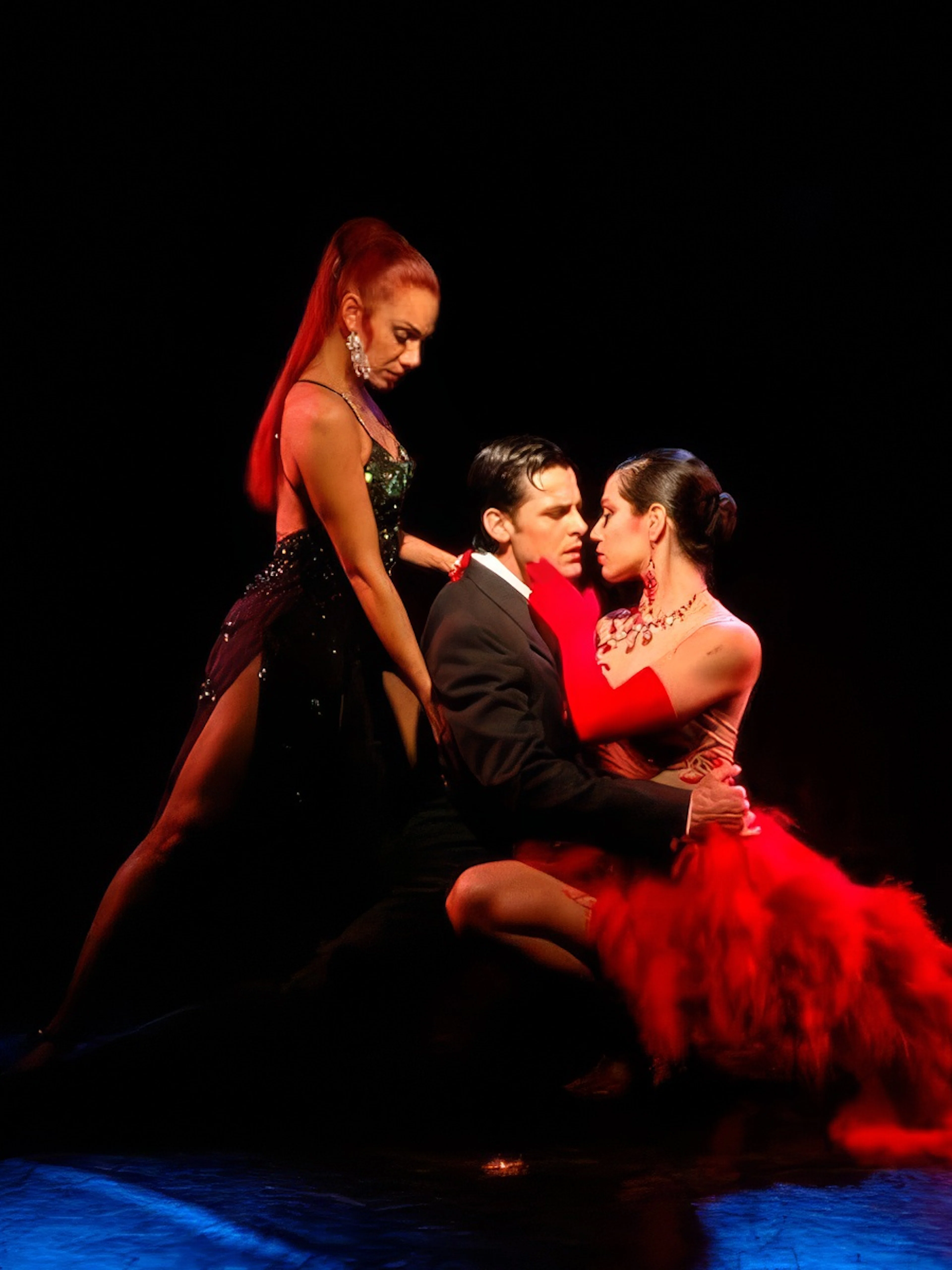
Opened in 1915, Galería Güemes became Buenos Aires’ first skyscraper, soaring 14 stories above Florida Street. At the time, it symbolized Argentina’s economic boom and the city’s ambition to rival Paris as a modern capital.
Galería Güemes, Buenos Aires
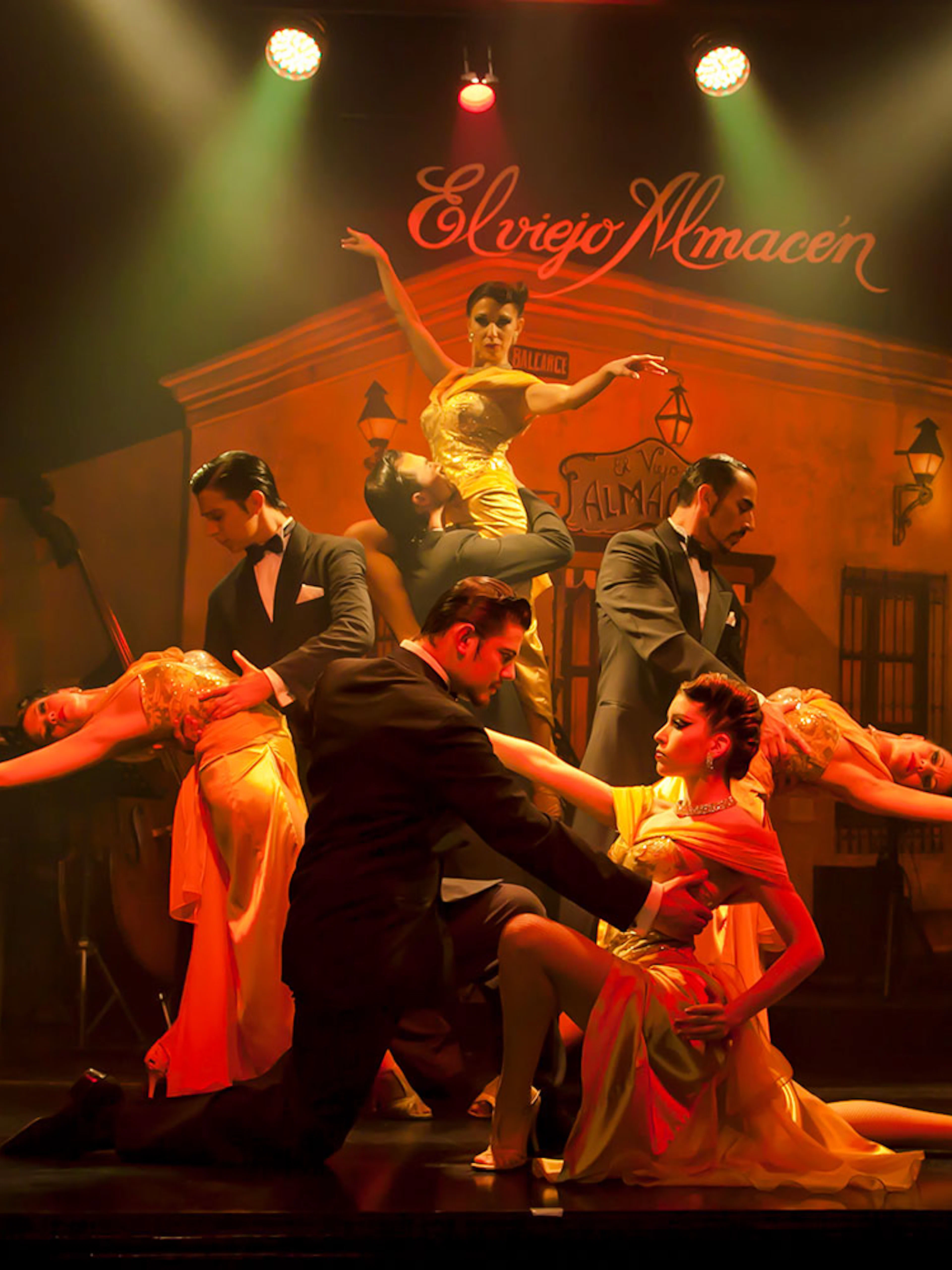
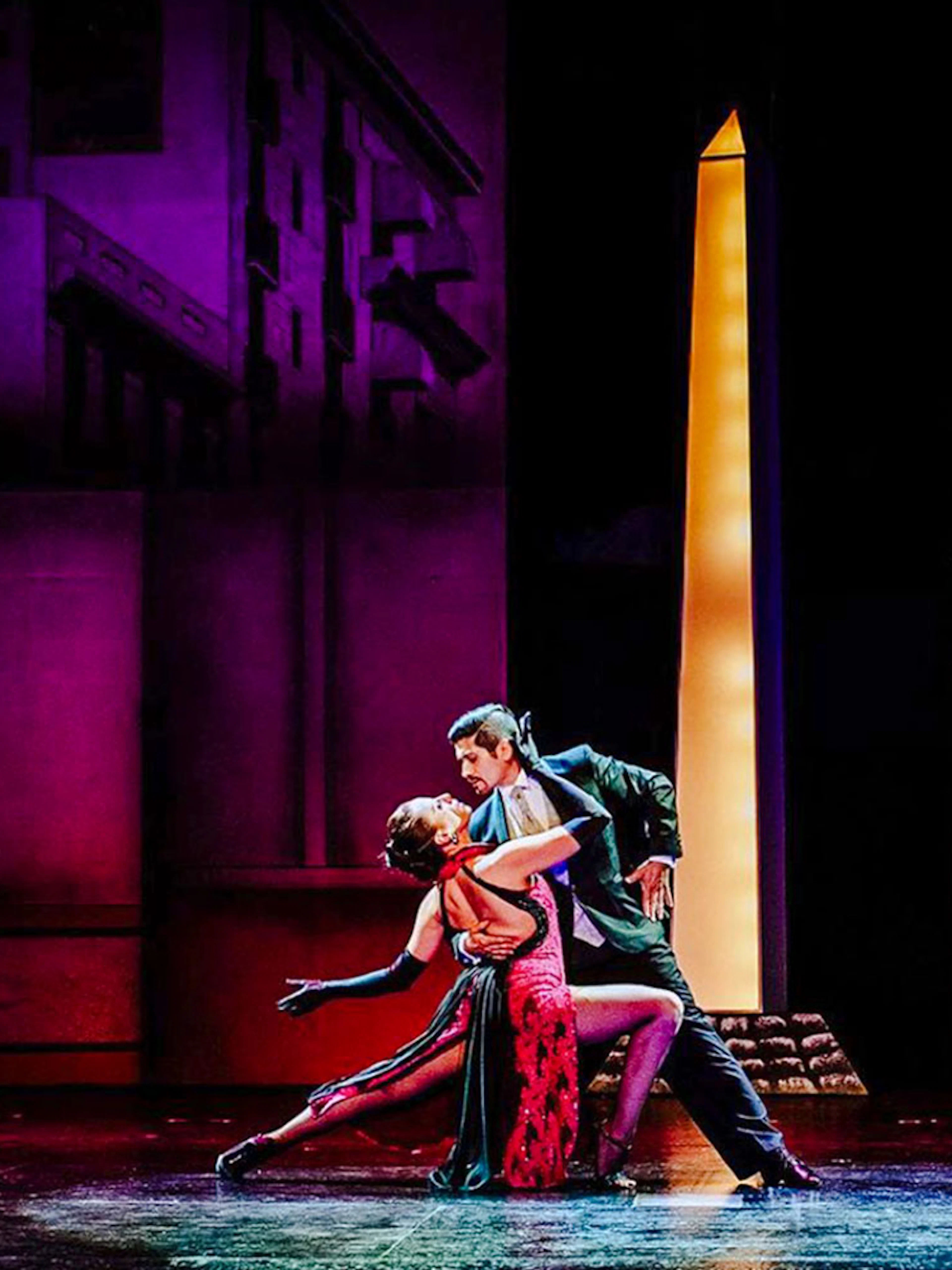
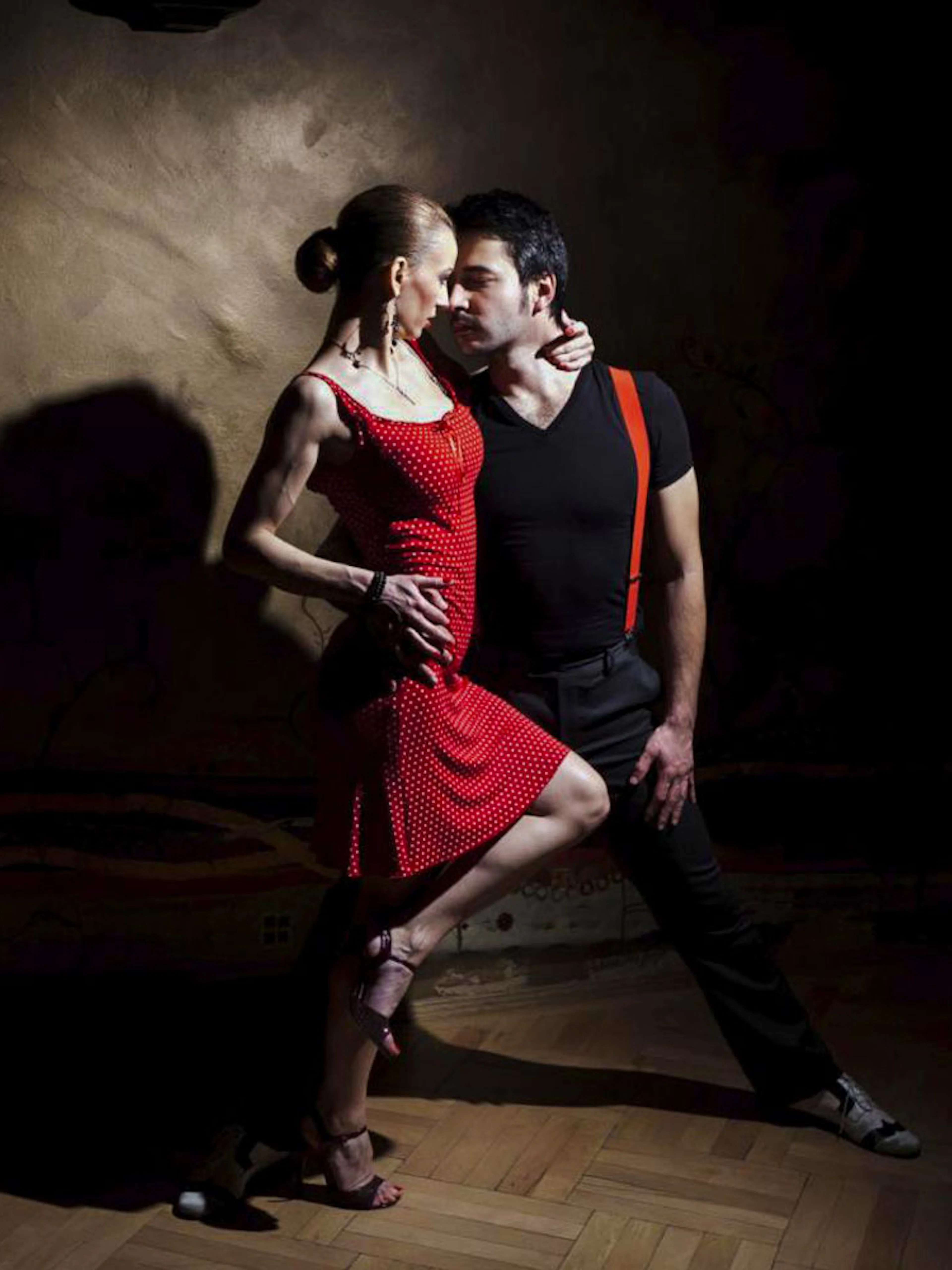
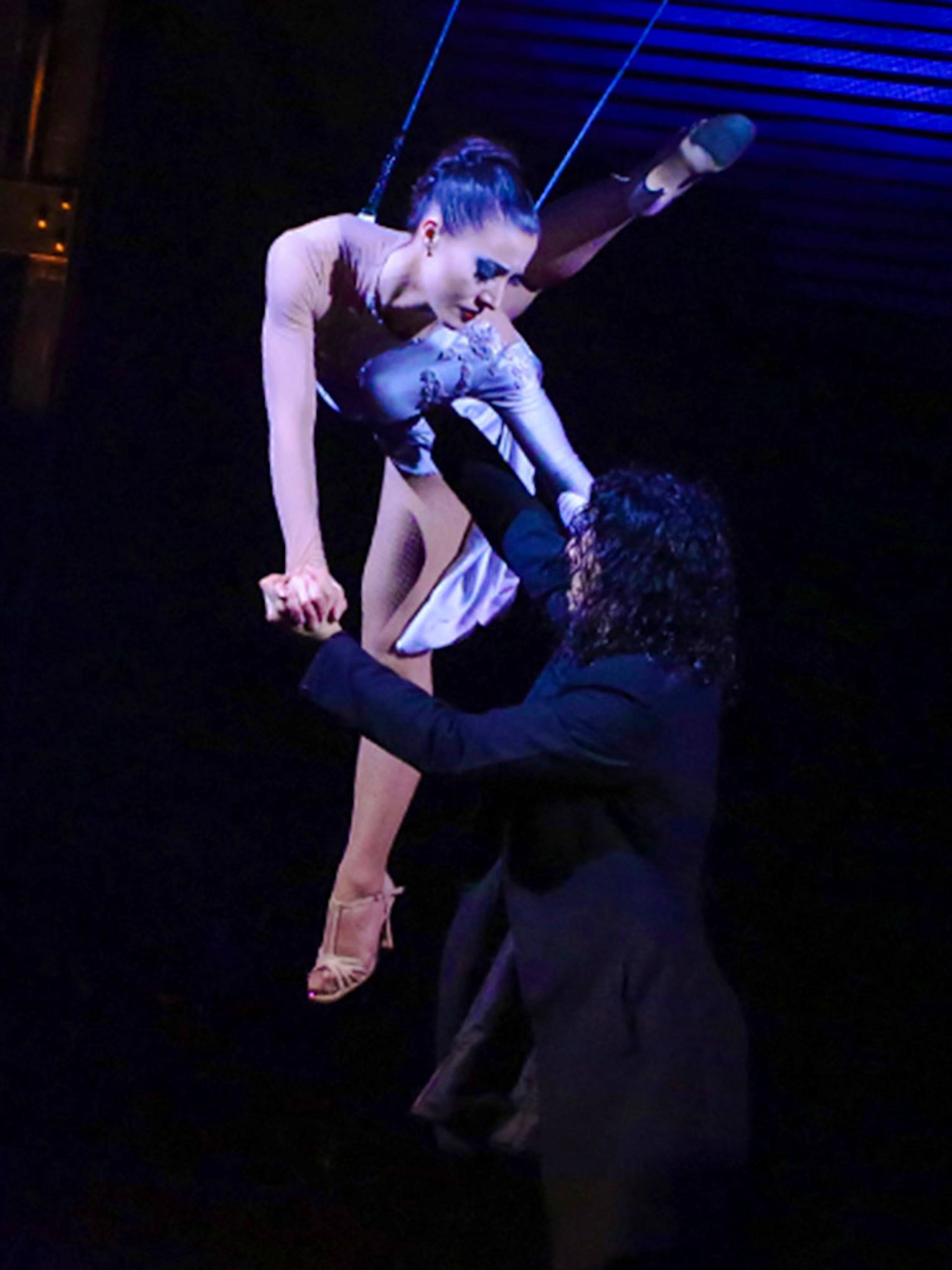
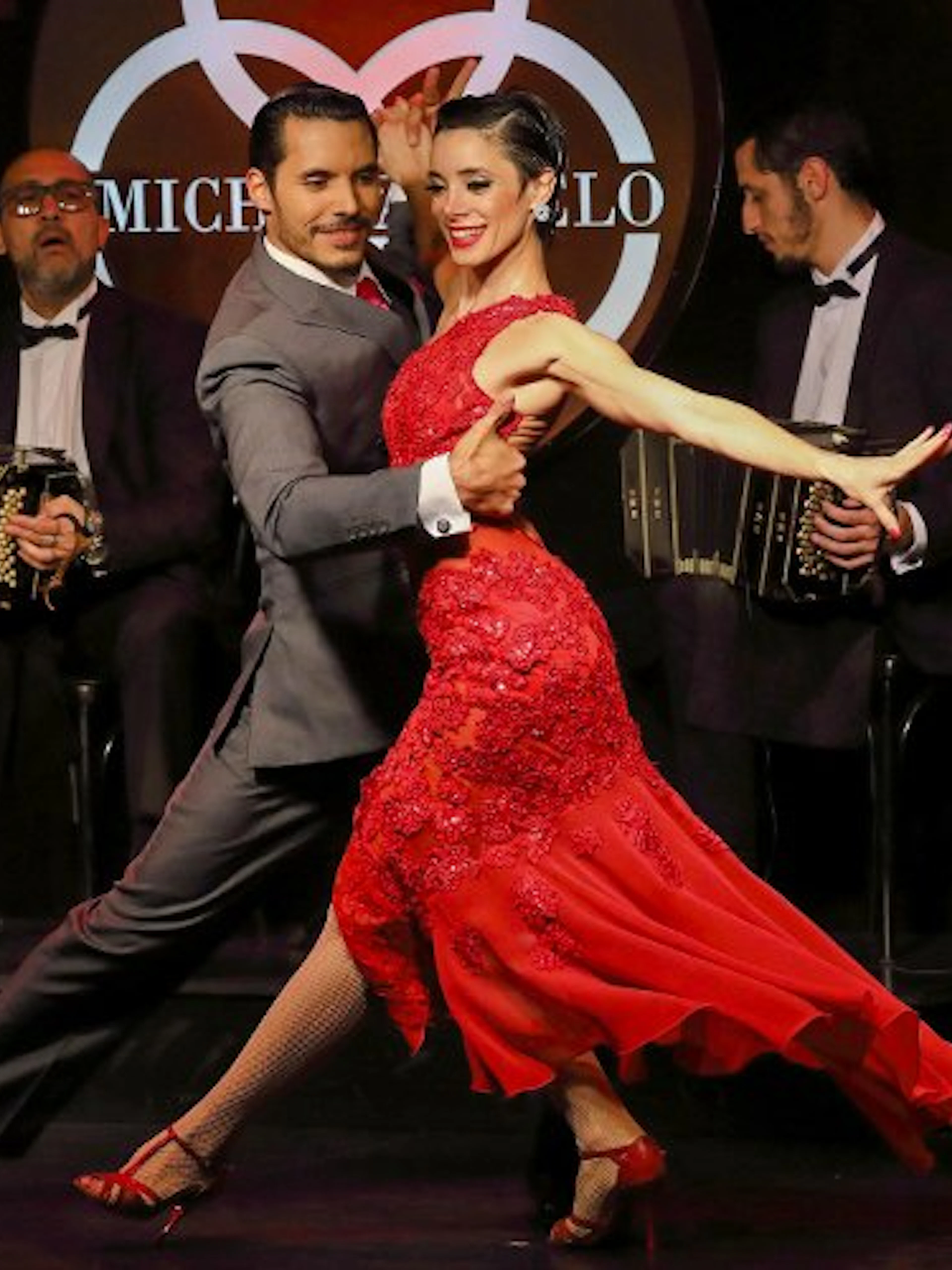
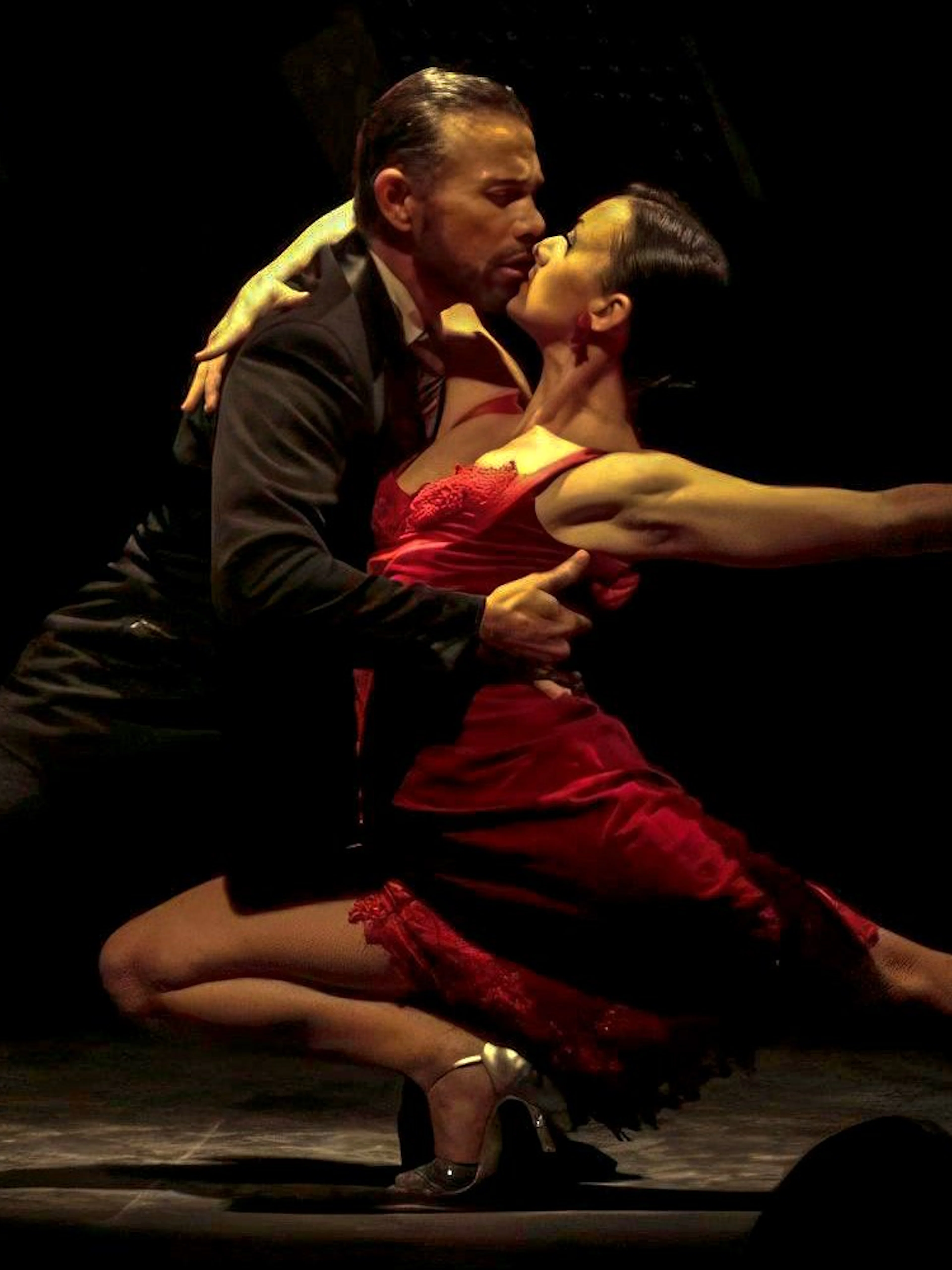
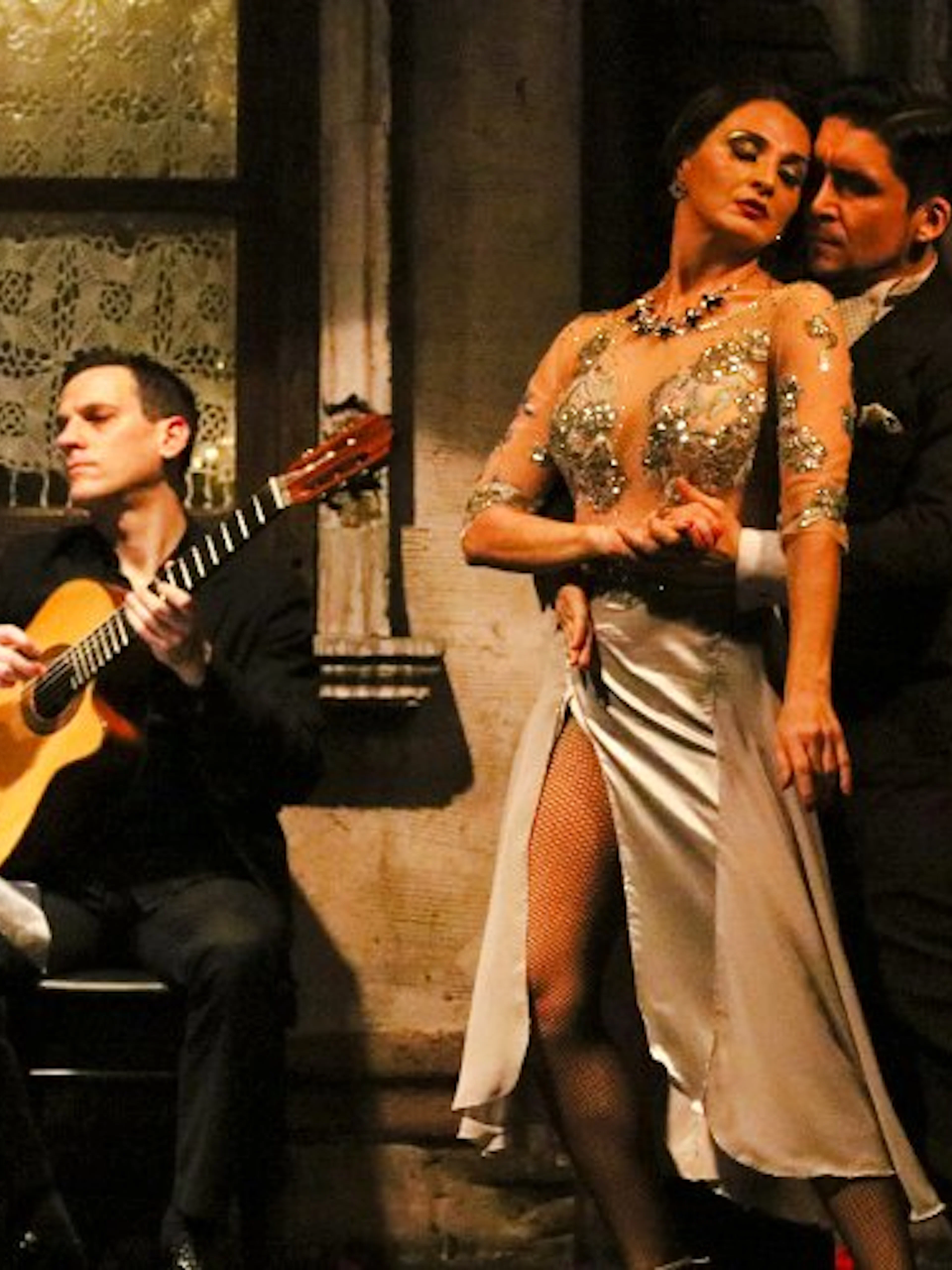
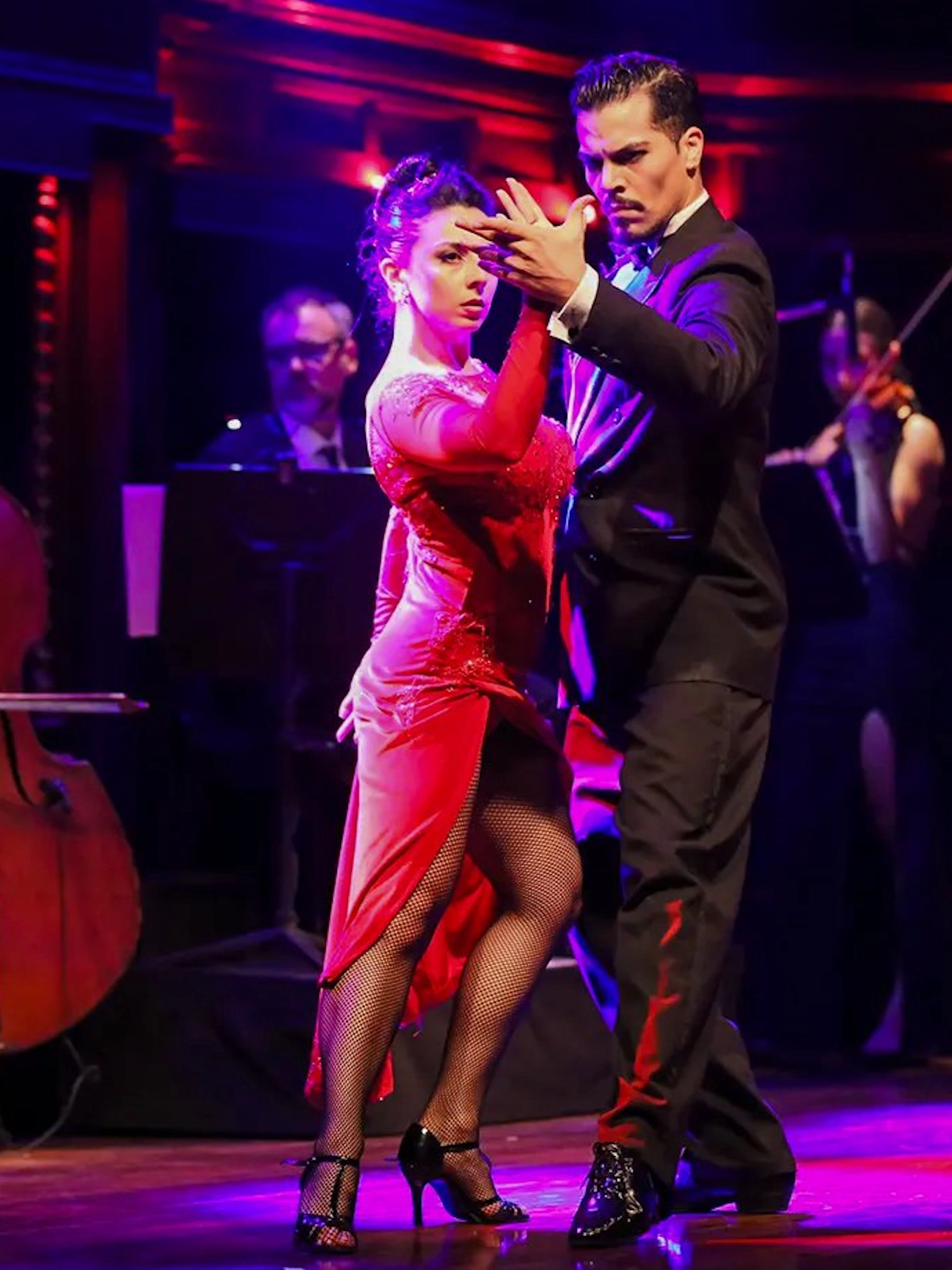
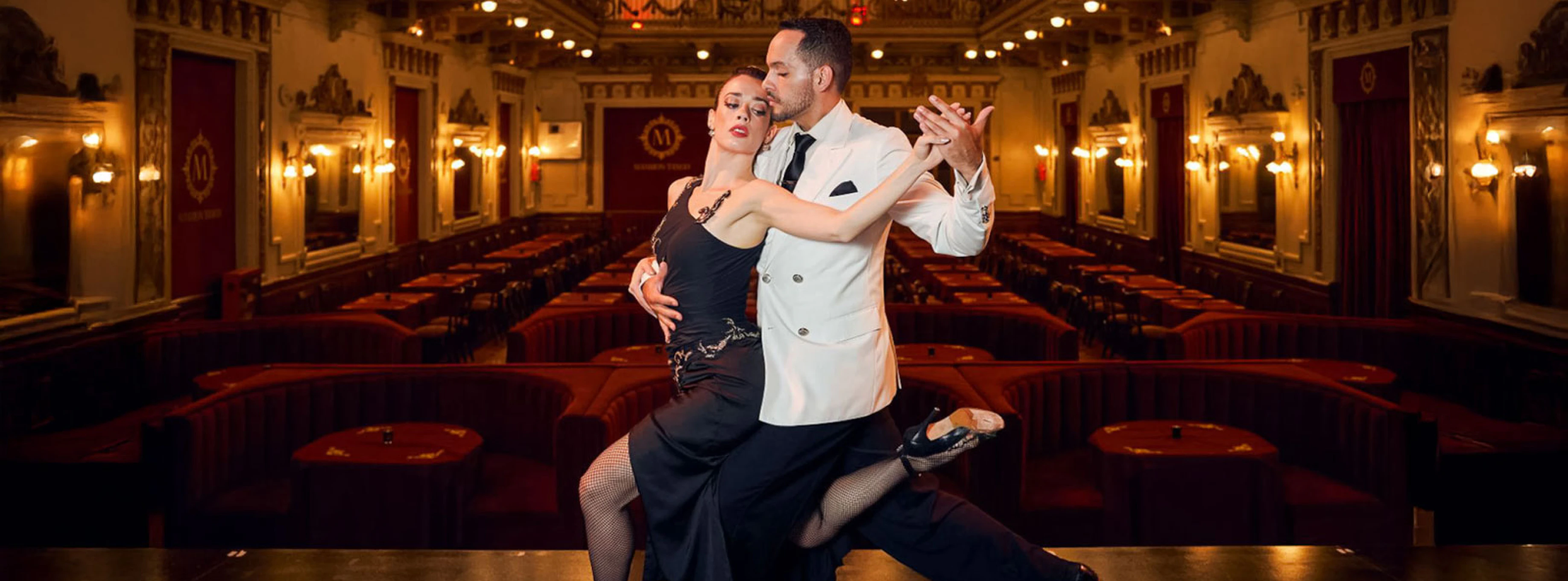
Step into Galería Güemes, a dazzling Art Nouveau landmark tucked away on Florida Street in Buenos Aires. More than just a shopping arcade, this historic skyscraper houses marble staircases, stained-glass domes, vintage elevators, and a rooftop observatory with sweeping views of the city. Today, its underground theatre, the Teatro Astor Piazzolla, is home to one of the city’s most celebrated tango dinner shows. A visit to Galería Güemes blends history, architecture, and culture, making it a must-see stop whether you’re sightseeing, shopping, or enjoying a night of Argentine tango.
From 1915 to today: The legacy of Galería Güemes
Birth of a landmark (1915)
Designed by Francisco Gianotti
The Italian architect Francisco Gianotti, known for his Art Nouveau creations, combined elegance and innovation in this building. Galería Güemes introduced steel-frame construction and electric elevators, which were state-of-the-art features for its time.
A hub for culture and society
Beyond being a shopping arcade, the gallery quickly became a cultural meeting point. It housed offices, luxury apartments, cafés, and the original theatre in its basement, making it a space where commerce and art coexisted.
Home to famous residents
The gallery attracted notable figures, including Antoine de Saint-Exupéry, who wrote part of Night Flight here, and Argentine literary icon Julio Cortázar, who immortalized the building in his short stories. Their legacy adds a layer of literary mystique to the venue.
Golden years of the theatre
The Teatro Astor Piazzolla, formerly known as the theatre of Galería Güemes, hosted concerts, tango performances, and cultural soirées throughout the 20th century. It was a place where the elite gathered to experience the vibrancy of Buenos Aires nightlife.
Restoration and renewal (2010)
After decades of wear, the building underwent a major restoration in 2010, bringing back its original Belle Époque splendour. Today, it continues to function as a cultural landmark, with part shopping arcade, part theatre, and part historic observatory.
Inside the Art Nouveau masterpiece
European elegance and influences
- The vision of Francisco Gianotti: Italian architect Francisco Gianotti designed the gallery to showcase Buenos Aires’ modern identity, securing his reputation as a leader of Art Nouveau in Argentina.
- Art Nouveau at its finest: Sweeping curves, floral motifs, and ornate ironwork highlight the movement’s decorative artistry.
- A blend of styles: Gothic arches and Neoclassical elements add grandeur, reflecting Buenos Aires’ cosmopolitan character in the early 20th century.
- Stained-glass domes & natural light: Decorative domes and skylights illuminate the arcade with colored light, creating a theatrical atmosphere.
- Marble staircases & fine details: Winding staircases, bronze railings, carved stone, and mosaic tiles capture the Belle Époque spirit.
Innovation and cultural spaces
- Buenos Aires’ first skyscraper: At 14 stories, Galería Güemes was the city’s first true skyscraper, with steel-frame construction and reinforced concrete that were revolutionary in 1915.
- Historic elevators: The wrought-iron cage lifts, still in use, reflect both technological innovation and Art Nouveau artistry.
- Teatro Astor Piazzolla in the basement: The underground theatre continues the gallery’s cultural mission, with intimate cabaret-style seating that combines dinner service with stage views.
Know before you go
- Operational hours: Galería Güemes is open from 8am to 8pm on weekdays (Monday to Friday) and from 9am to 3pm on Saturdays. The gallery remains closed on Sundays. However, shops, restaurants, and the Piazzolla Tango theatre, as well as individual establishments within the gallery, have their own operating hours.
- Dinner service: Starts around 7pm, with a multi-course Argentine menu that sets the mood for the evening.
- Piazzolla tango show: Begins at 9pm and runs for approximately 90 minutes. Performances feature live musicians, singers, and dancers interpreting Astor Piazzolla’s revolutionary tango compositions.
- Observatorio rooftop tours: Generally available on Thursdays at 4pm, though timings may vary seasonally. Sunset visits are particularly popular, so book early if you want the view at golden hour.
- Restrooms: Located within the theatre and arcade area, easily accessible during shows.
- Elevators: The gallery still operates its original vintage elevators, though they may not accommodate all accessibility needs.
- Observatory access: The rooftop is only reachable via a narrow spiral staircase, making it unsuitable for wheelchairs or visitors with reduced mobility.
- Family-friendly: Children are welcome at the theatre, though parents should check age guidelines before booking, as late-night shows may not suit very young kids.
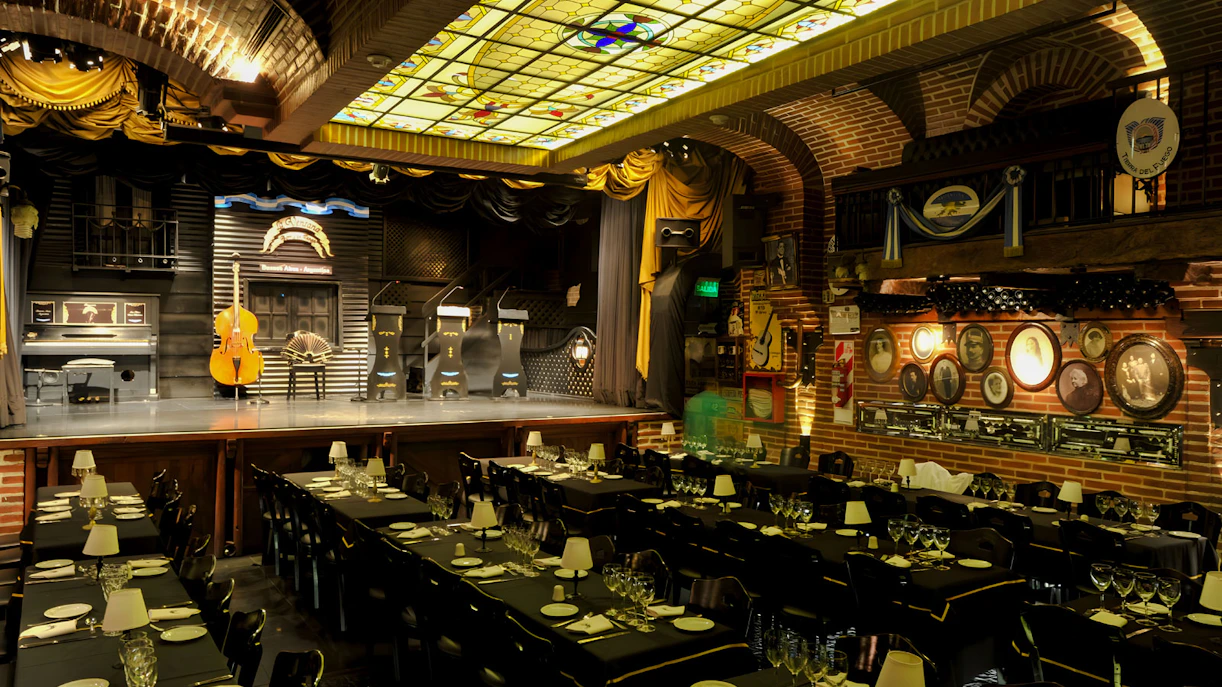
- El Querandí: A historic parrilla and tango venue offering classic Argentine cuts of beef, empanadas, and Malbec wines, just a short walk from Florida Street.
- Café Tortoni: Founded in 1858, this legendary café serves pastries, coffee, and traditional snacks. Perfect for a pre-show stop steeped in porteño history.
- Cabaña Las Lilas: Located in Puerto Madero (10 minutes by taxi), this fine-dining steakhouse is known for its waterfront views and upscale Argentine cuisine.
- Santos Manjares: A casual parrilla popular with locals for its grilled meats, provoleta cheese, and friendly service, about 10 minutes from the gallery.
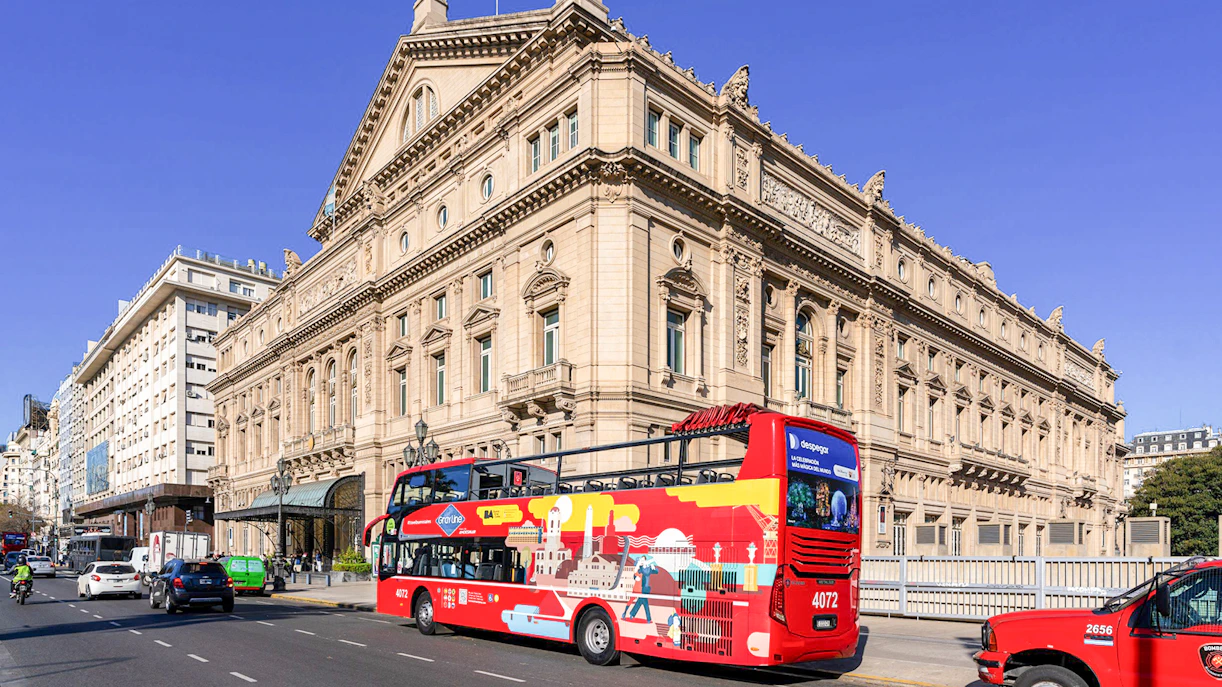
- Teatro Colón (10 minutes): Widely regarded as one of the finest opera houses in the world, Teatro Colón is a must-visit for music and architecture lovers. Guided tours showcase its grand interiors, while evening performances bring the space to life.
- Obelisco & 9 de Julio Avenue (5 minutes): Just a short walk from Galería Güemes, the Obelisco stands tall at the heart of Buenos Aires’ most famous avenue. The wide boulevard, lined with theatres, shops, and cafés, is perfect for an atmospheric city stroll.
- Plaza de Mayo & Casa Rosada (10 minutes): The historic square of Buenos Aires, Plaza de Mayo, is surrounded by key landmarks including the Metropolitan Cathedral and the Casa Rosada, Argentina’s iconic pink presidential palace. It’s a place steeped in history and political significance.
- Palacio Barolo (15 minutes): Designed by the same architect as Galería Güemes, Palacio Barolo is a striking building inspired by Dante’s Divine Comedy. Visitors can tour its unique interiors and climb to the lighthouse for panoramic city views.
Frequently asked questions about Galería Güemes in Buenos Aires
It was built in 1915 and designed by Italian architect Francisco Gianotti, making it Buenos Aires’ first skyscraper.
Its blend of Art Nouveau design, stained-glass domes, and historic elevators make it one of the city’s most beautiful arcades.
The private apartments aren’t open to the public, but guided tours share their stories and legacies.
Unlike standard shopping arcades, Galería Güemes combines history, architecture, a rooftop observatory, and a tango theatre, all in one venue.
Both were designed by Gianotti, but while Palacio Barolo is inspired by Dante’s Divine Comedy, Galería Güemes is known for its Art Nouveau elegance and cultural venues.
Yes, the arcade and shops are open to the public, and observatory tickets can be purchased separately.
Shops usually open from 9 am to 8 pm, though show and observatory times vary.
Ticket prices vary depending on the package you choose. Options typically include show-only tickets or dinner-and-show experiences, with prices ranging from budget-friendly seats to premium dinner tables closer to the stage.
Yes, advance booking is highly recommended. The theatre’s cabaret-style seating is limited, and popular dinner packages often sell out days ahead.
Tickets can be purchased as a show-only or as a dinner-and-show package. Dinner tickets usually include a three-course Argentine menu with wine or soft drinks, while show-only tickets cover entry to the performance.
Seating is allocated by category. Dinner tables near the stage or theatre-style seats further back. Within each category, the venue staff assigns seats to ensure a clear view of the stage.
No, it generally opens on select days, often Thursdays at 4pm.
Tickets are sold at the entrance or via guided tours; some agencies also offer online booking.
Guided tours and combo tickets sometimes allow priority access; check availability in advance.
Yes, local guides offer tours focused on its architecture and cultural history.
Both are accessible, but the San Martín Street entrance offers the most striking façade.
It’s just a 5–10 minute walk from either landmark, right in the city centre.
You’ll find bookstores, boutiques, and cafés, blending local charm with historic surroundings.
The arcade is accessible, but the observatory is reached via stairs only.
Yes, the vintage cage elevators are still in use and are part of the experience.
Yes, families are welcome, though young children may find the tango show late at night.
Yes, the building is safe, and Florida Street is busy, though standard city precautions apply.
Yes, special events and tours are occasionally hosted; check the schedule.
The theatre offers cabaret-style dinner tables and regular seats, ensuring good stage views.
The theatre primarily hosts tango, though occasional concerts and cultural events are held.
Smart casual is recommended, especially for the tango dinner show.
Photos without flash are usually permitted; check with staff before recording video.